AEO basics

Make your website easy for AI search to read.

Before an AI answer engine can reuse your answer, search systems need to crawl the page, index it, and understand the answer clearly.

Published: 23 June 2026
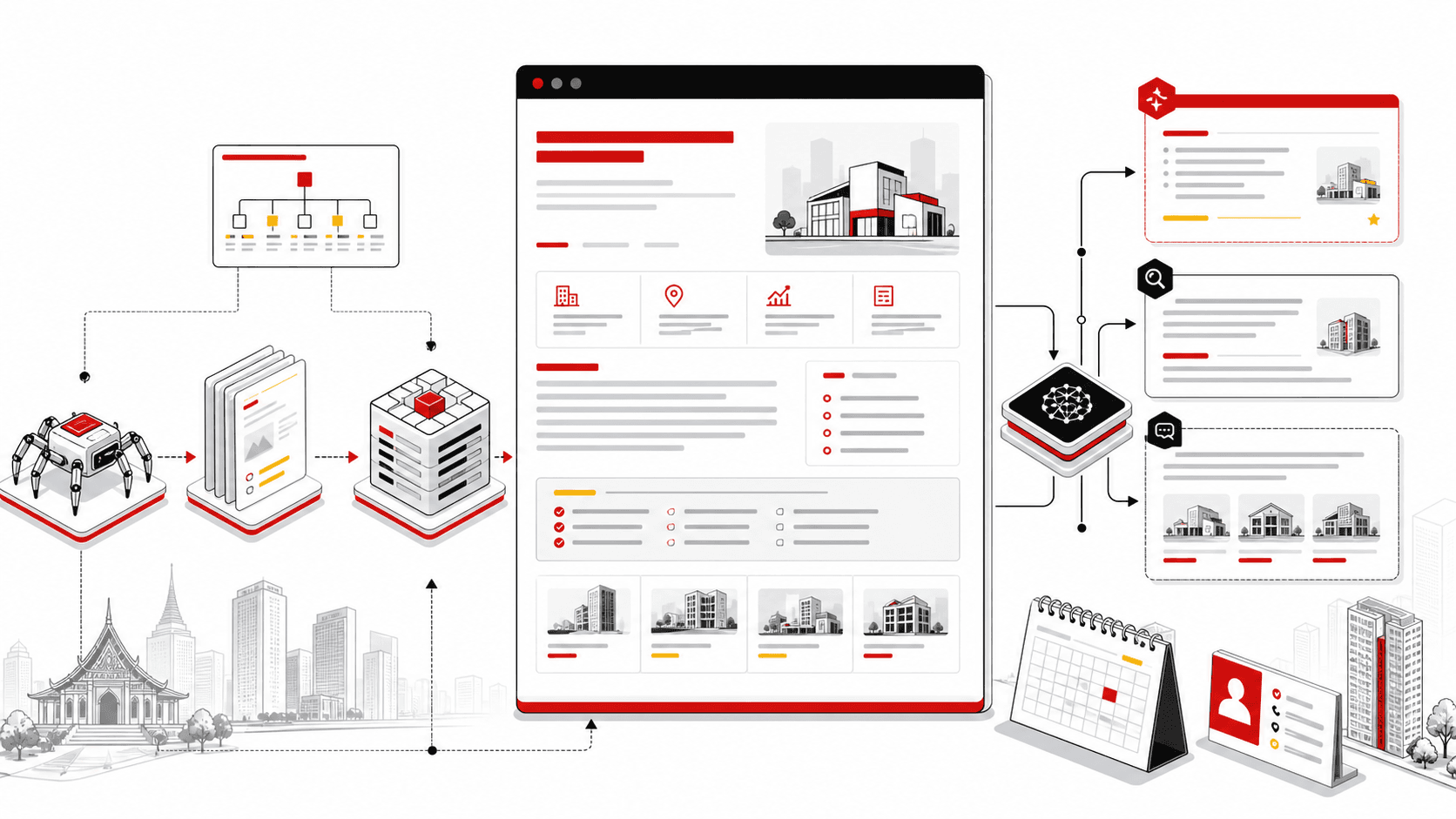
Illustration of a webpage being crawled, indexed, and transformed into AI answer cards.

Research baseline

The first AEO win is not a trick

For Google and Bing, answer engine optimization starts with normal search fundamentals: helpful content, crawlable pages, clear structure, and trustworthy business facts. Files like llms.txt can be optional helpers for some tools, but they do not replace a readable website.

  • Google says AI search visibility depends on the same SEO fundamentals: crawlable pages, useful content, good page experience, and control through normal Search tools.
  • Google also says no special AI markup is required for AI features.
  • Bing guidance points toward clear answers, structured sections, evidence, freshness, and formats like FAQs or tables when they help the user.

Motion graphic

How a page becomes answer-ready

A useful AEO page moves through four simple stages: accessible page, crawl, index, then answer source.

01

Page

Readable HTML with a clear customer question.

02

Crawl

Search bots can reach links, content, and assets.

03

Index

The page is allowed into search results.

04

Answer

The answer is easy to quote, summarize, and cite.

Answer source

Crawlable plus indexable plus clear answer equals a page AI search can understand.

Step 1

Make the page crawlable

Crawlable means search systems can reach the page and read its main content. Avoid hiding important answers behind login screens, broken links, or JavaScript-only experiences.
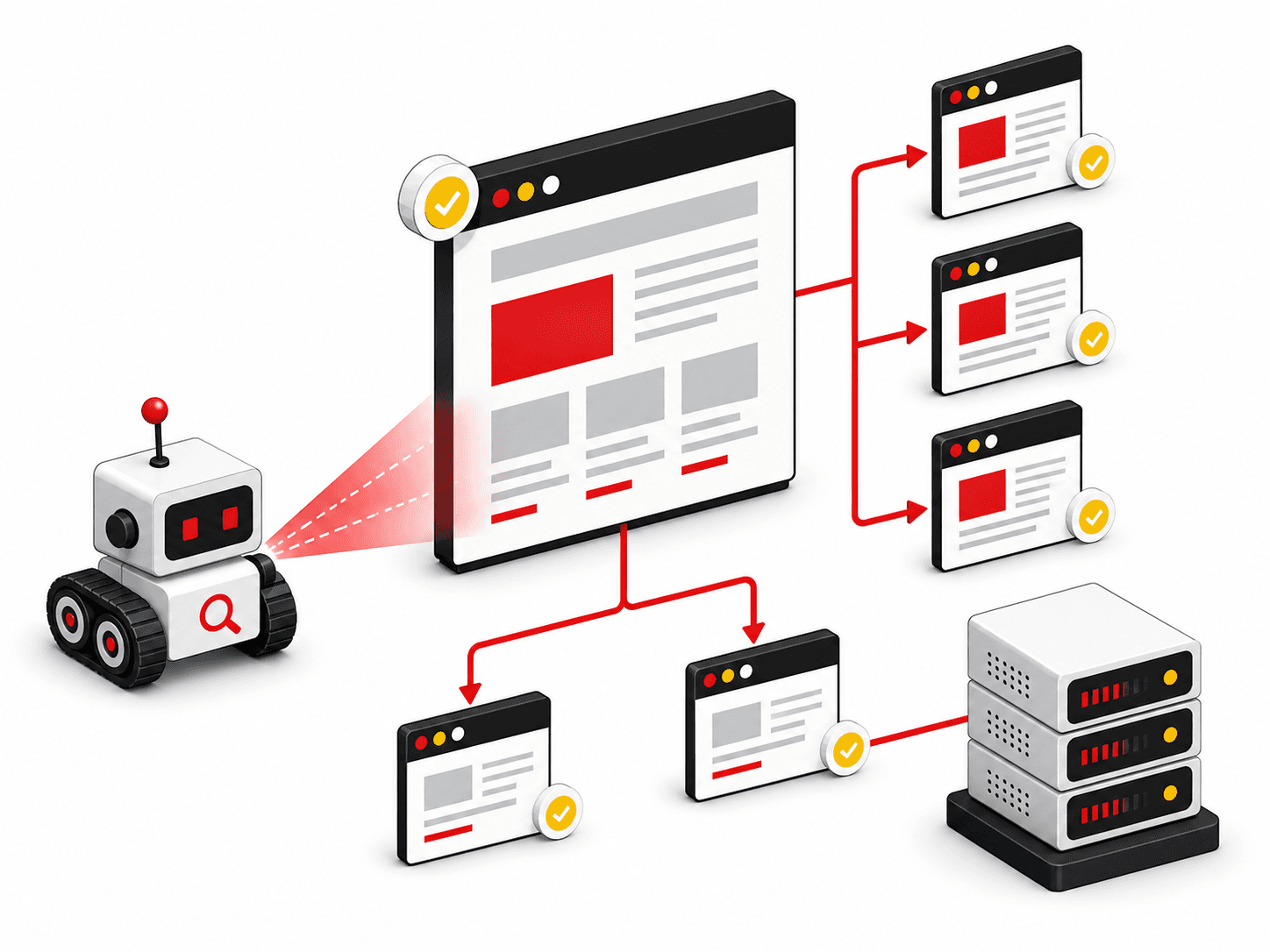
Illustration of a crawler scanning an accessible webpage and following internal links.

Step 2

Make the page indexable

Indexable means the page is allowed to appear in search. Check for accidental noindex rules, blocked robots settings, weak canonical tags, and pages missing from the sitemap.
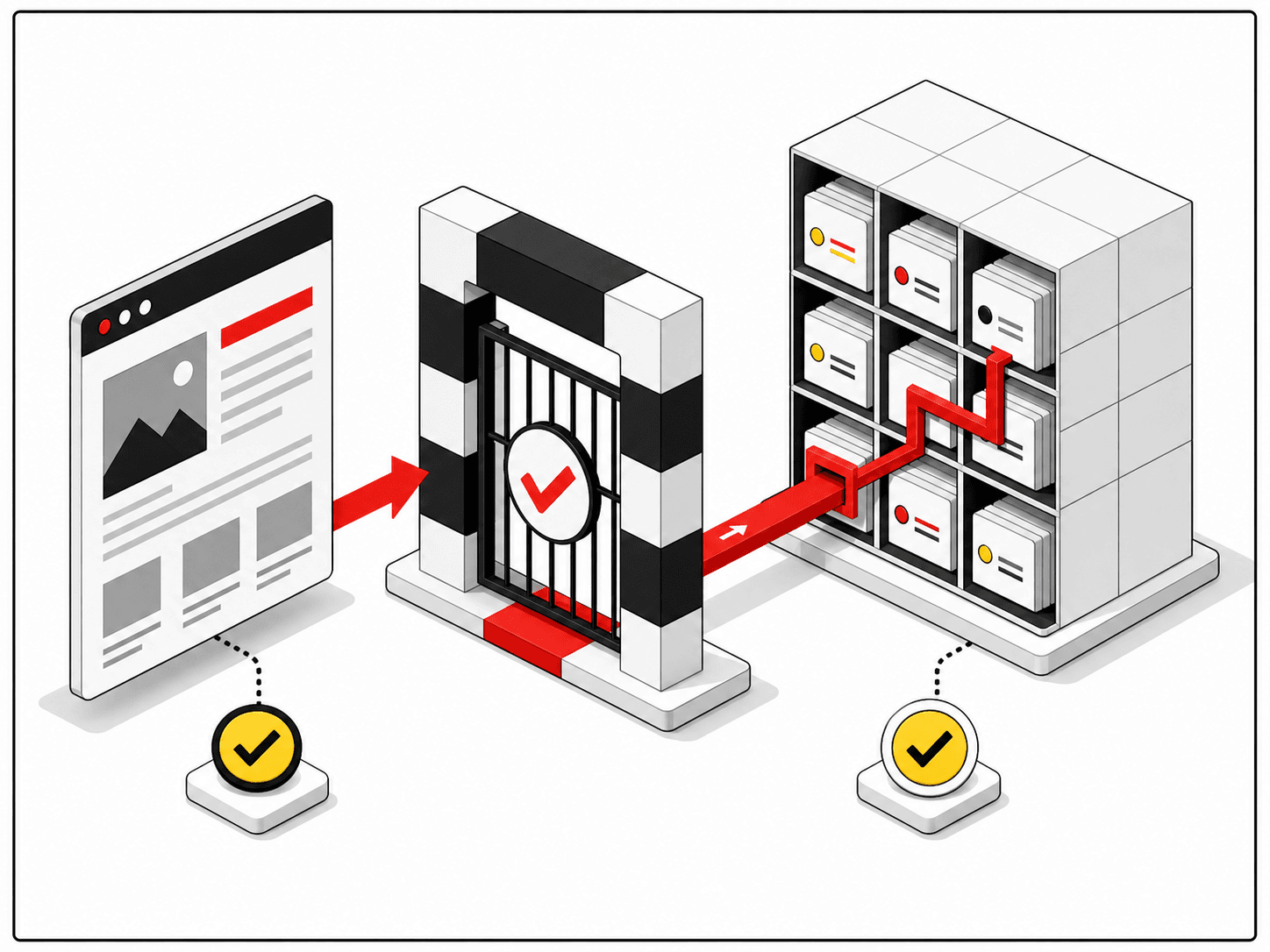
Illustration of a webpage passing through an index gate into an organized archive.

Step 3

Make the answer snippet-ready

Snippet-ready means the answer is easy to extract. Put the direct answer near the top, use clear headings, add FAQs or tables where useful, and support claims with examples.
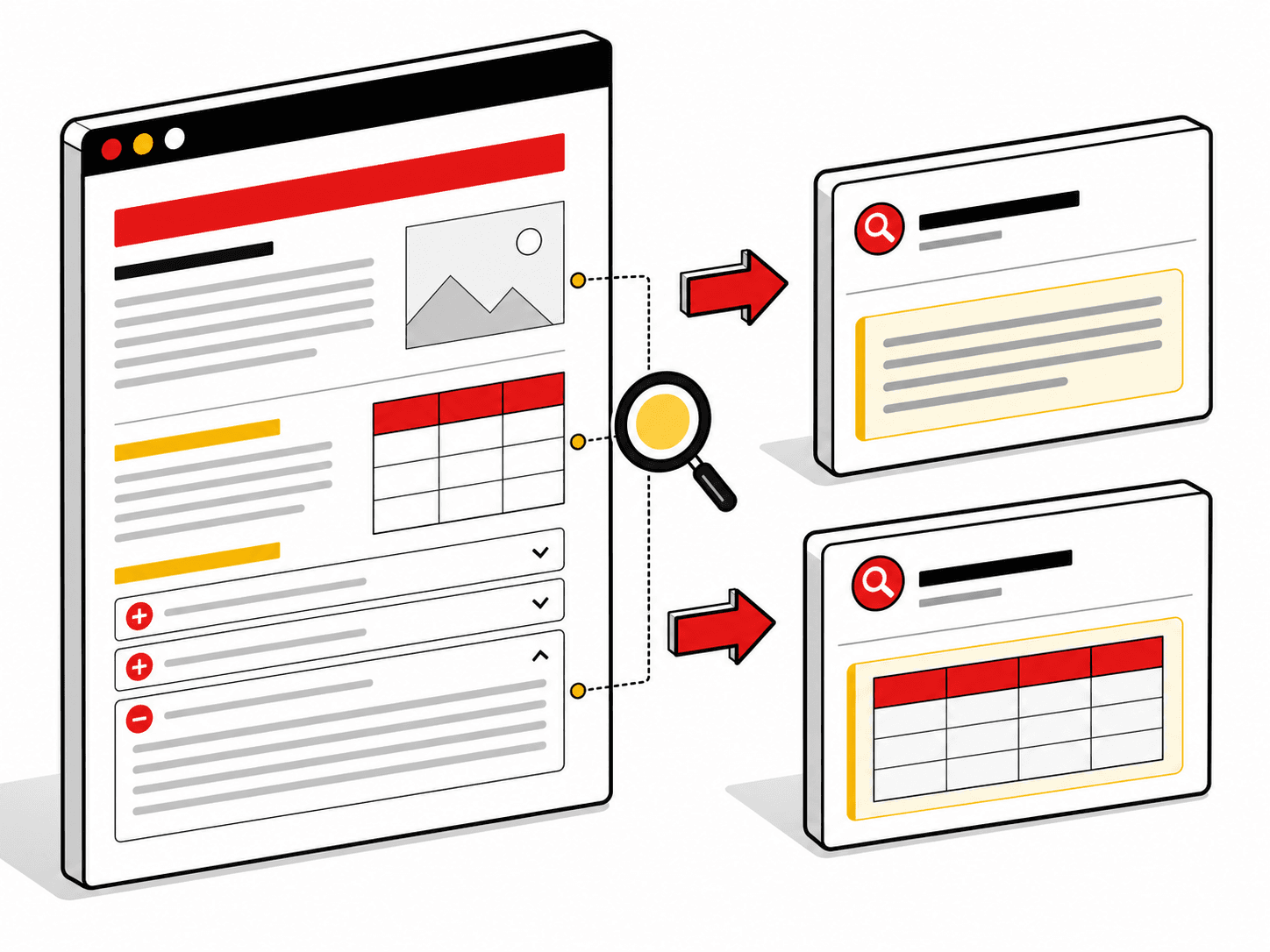
Illustration of answer snippets being extracted from a structured webpage.

Implementation example

Customer question: Can an AI website help my property business qualify leads before a call?

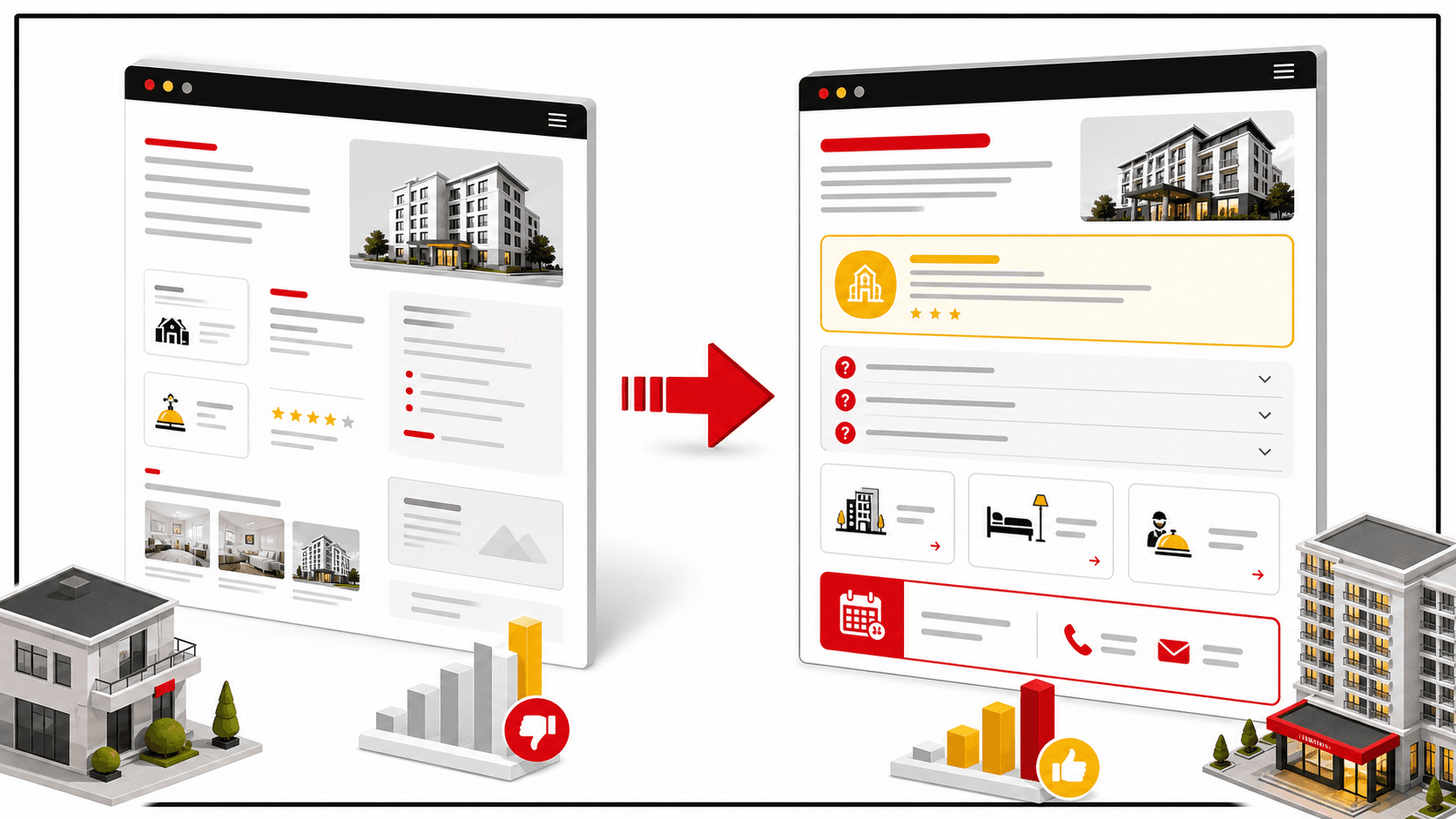
Before-and-after illustration of a property service page becoming an AEO-ready page.

Weak page

  • Generic headline
  • No direct answer
  • No service area
  • No FAQ or next step

AEO-ready page

  • Direct answer near the top
  • Clear service and location context
  • FAQ, table, and internal links
  • Booking CTA with human follow-up

View checklist

Technical checklist

Use this before polishing the blog copy. If these basics fail, the article will struggle no matter how good the writing is.
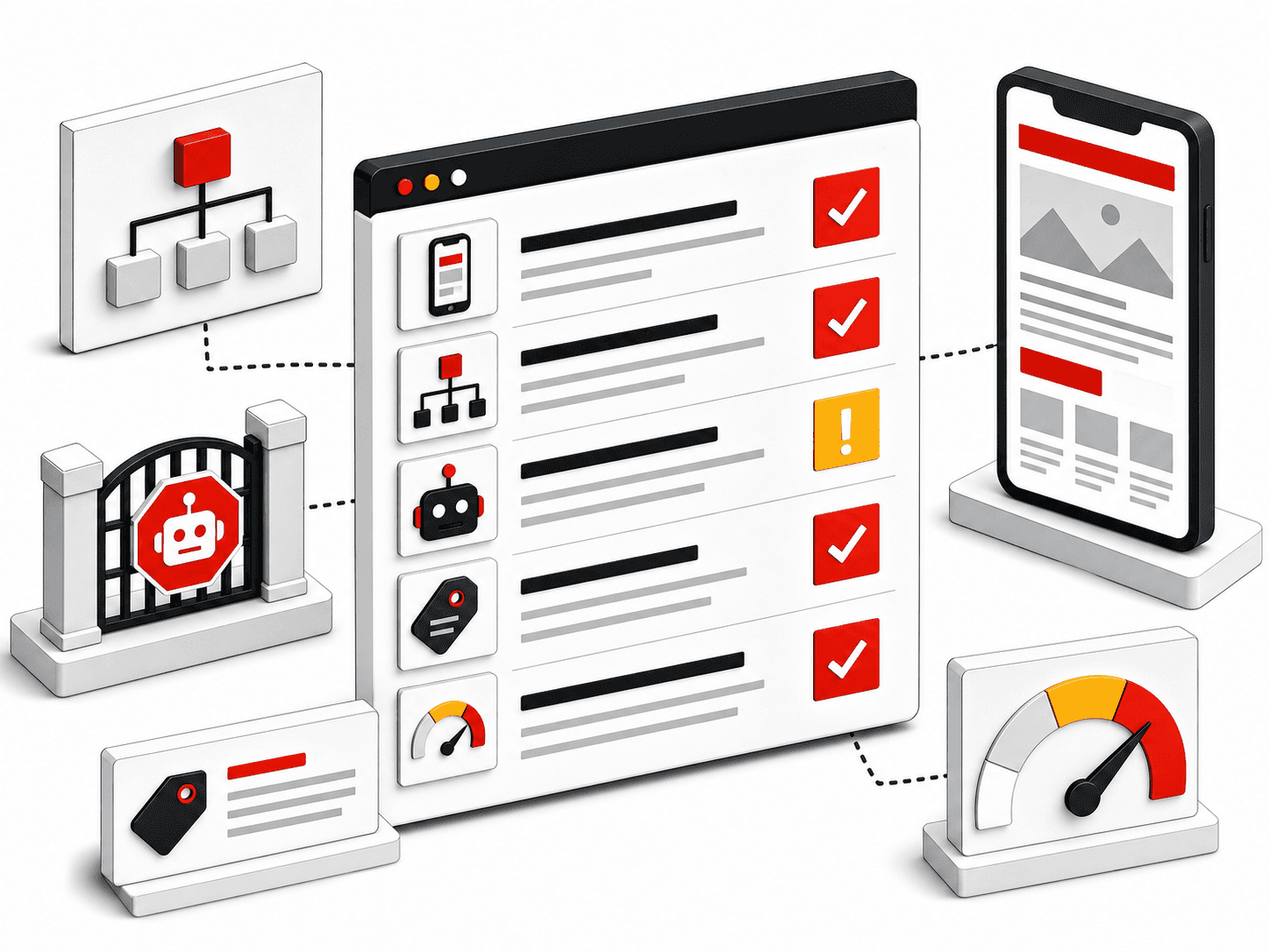
  • Page returns 200 OK
  • Not blocked by robots.txt
  • No accidental noindex
  • One clear H1 and useful title
  • Main answer appears near the top
  • Readable HTML text, not only images
  • Included in sitemap
  • Relevant internal links
  • Works well on mobile
  • Business facts are consistent
Illustration of a technical AEO checklist dashboard with sitemap, mobile, robots, metadata, and speed indicators.

Ready to bring structure to your next idea?

Book a consultation